Because everyone should be able to receive medical care close to home.
Because everyone should be able to access medical care without financial hardship.
Because everyone should be able to make informed decisions about their health.
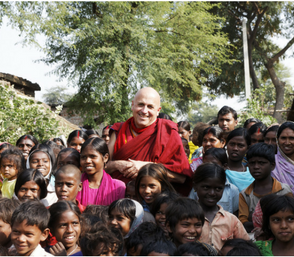
Yet for many people in India and Nepal, accessing healthcare remains difficult. The clinic may be too far away, the cost of an examination too high, and access to a specialist can sometimes be difficult. And some health problems are not identified in time. These obstacles have real-world consequences: a disease that takes hold, treatment that is interrupted, or a condition that worsens due to a lack of information and follow-up.
👉 Karuna-Shechen addresses these obstacles to make care possible, from prevention to follow-up
By Matthieu Ricard on 29 Sep 2026
On August 26, 2026, a section of the Langtang Lirung glacier broke away at an altitude of more than 5,200 metres, plunging 1,200 to 1,500 metres with such force that the United States Geological Survey initially recorded it as an earthquake. Within seconds, at least 10 million cubic metres of ice collapsed, transforming into a…
By Matthieu Ricard on 28 May 2026
Excerpts from Matthieu Ricard’s book –Altruism (NiL Éditions, 2013) When Social Norms Temper Spontaneous Altruism According to Warneken and Tomasello, in order for altruistic behavior to be maintained over the course of generations, it must be associated with mechanisms that protect individuals against exploitation by each other. The psychologist Dale Hay quotes Machiavelli: “A prince…
Excerpts from Matthieu Ricard’s book –Altruism (NiL Éditions, 2013) “ More recent research from the team of Michael Tomasello and Felix Warneken has shown that very young children spontaneously offered to help an experimenter complete various tasks— bringing the experimenter an object that had fallen to the floor, for instance— and they did so without…


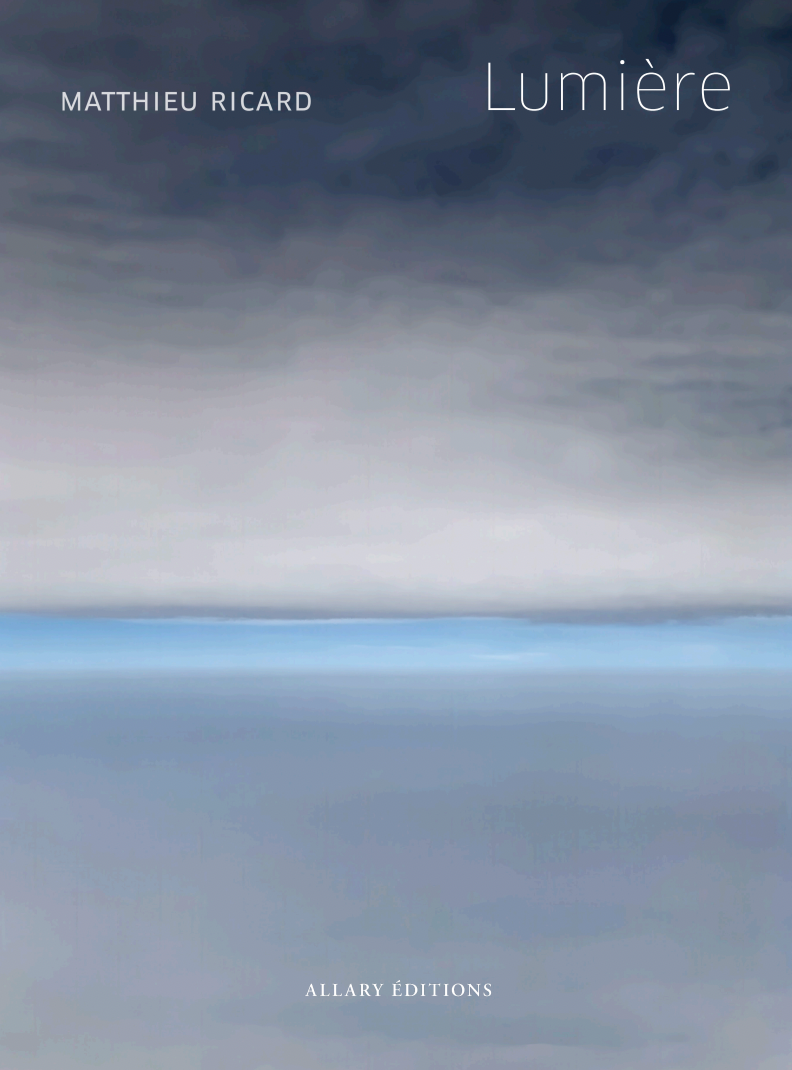
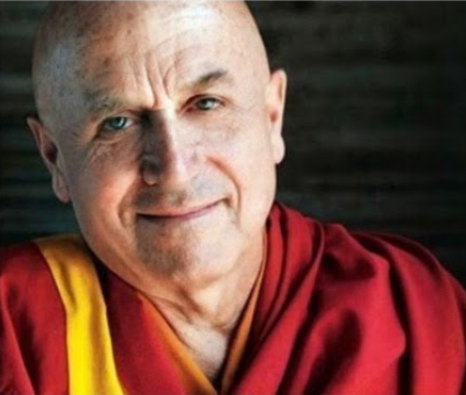
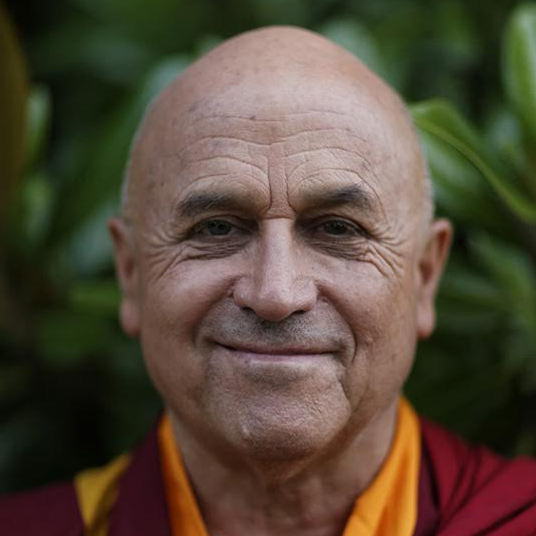 Matthieu Ricard, born in France in 1946 and son of French philosopher Jean-François Revel and painter Yahne Le Toumelin, is a Buddhist monk, author of books, translator and photographer.